How to Wash a Ceramic Coated Car
By Ceramic Coating Bolton · Published 2026-10-14 · Ceramic coating guides
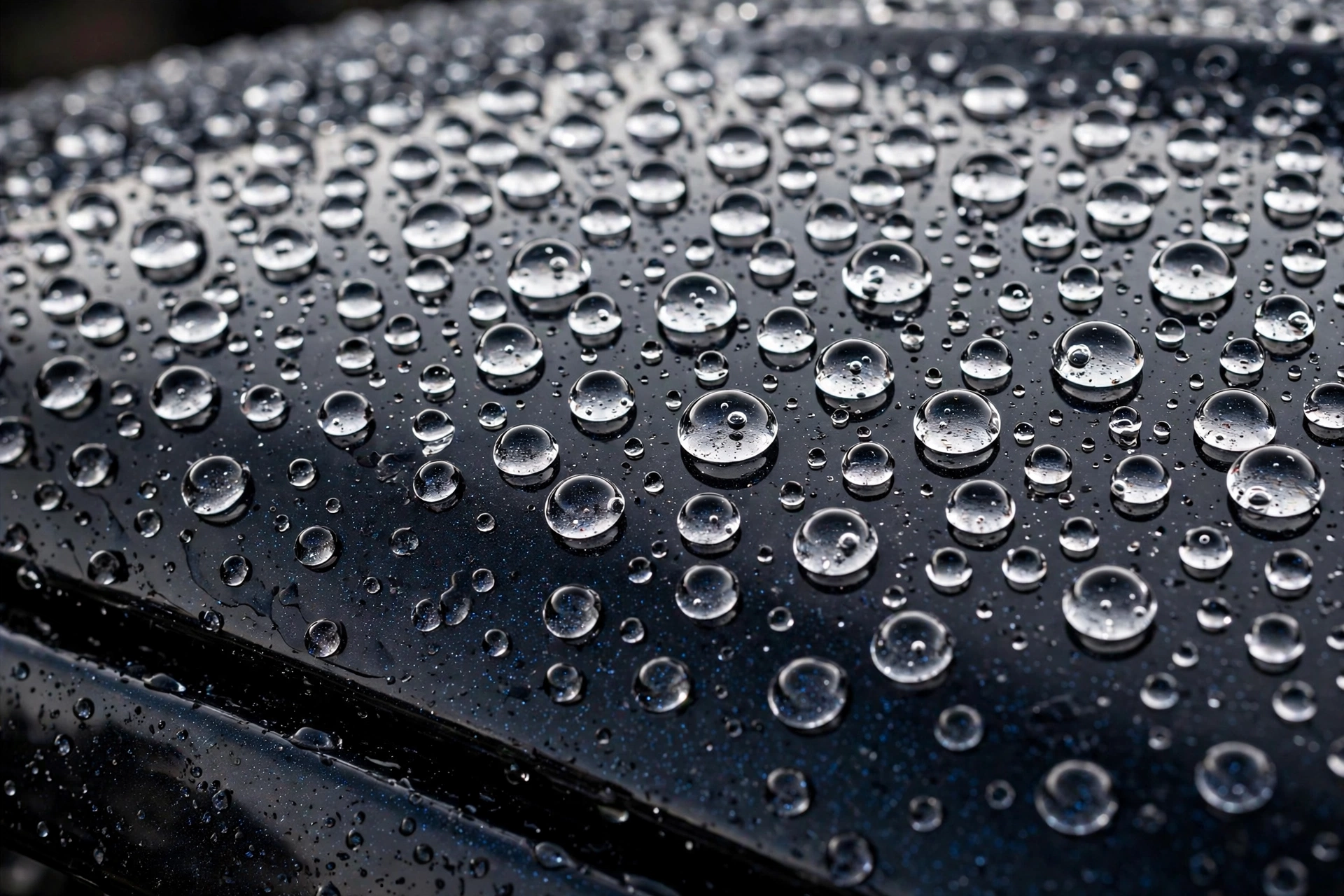
Wash a ceramic coated car using the two-bucket method with pH-neutral shampoo, a microfibre wash mitt, and straight-line motions — never circular scrubbing. Rinse thoroughly, dry with microfibre towels or a blower, and avoid automatic brush washes and harsh alkaline cleaners. Done correctly, washing a coated car is faster than washing uncoated paint, because dirt releases from the hydrophobic surface.
One of the best perks of a ceramic coating is how easy washing becomes — dirt barely clings, water sheets off, and the whole job takes half the time. But there's a catch: wash it wrong and you'll degrade the very coating you paid for. Harsh chemicals, gritty mitts, and automatic brush washes are the fastest ways to shorten a coating's life.
This is the safe method professionals recommend: the two-bucket wash adapted for coated cars, the products that preserve hydrophobics, and the common mistakes to avoid. Follow it and your coating will perform at its best for years; ignore it and you'll be recoating far sooner than you should. It's simpler than it sounds, and after two or three washes it becomes second nature.
What You'll Need
The kit is simple and inexpensive: two buckets (one with pH-neutral shampoo solution, one with clean rinse water, ideally with grit guards), a quality microfibre or lambswool wash mitt, a separate wheel bucket and brushes, plush microfibre drying towels or a car dryer blower, and optionally a snow foam pre-wash. Avoid sponge washes, chamois leathers, and any shampoo containing wax — wax additives mask the coating's hydrophobics.
- Two buckets with grit guards — wash solution and clean rinse water
- pH-neutral car shampoo (no wax additives, no harsh detergents)
- Microfibre or lambswool wash mitt — never a sponge
- Plush microfibre drying towels or a blower
- Snow foam lance for a touchless pre-wash (recommended)
The Safe Wash, Step by Step
Start with a thorough rinse or snow foam pre-wash to remove loose dirt without touching the paint — this touchless stage prevents the majority of wash scratches. Then, working top to bottom in straight lines, wash one panel at a time with the mitt, rinsing the mitt in the clean-water bucket before reloading shampoo. Use minimal pressure and let the shampoo do the work; the coating's slickness means dirt releases easily. Rinse each section before soap dries, then dry promptly to prevent water spots.
Drying: The Step Most People Rush
Water spots are the enemy of coated cars — mineral deposits left by evaporating water can etch even through a coating if baked on in sun. Dry immediately after the final rinse, working in shade wherever possible. A blower is ideal because it's touchless; otherwise use large, plush microfibre drying towels laid flat and pulled gently, flipping to a dry side frequently. In hard-water areas, a final rinse with filtered or deionised water makes spotting far less likely.
Mistakes That Damage Your Coating
Automatic brush car washes are the single worst thing — harsh detergents strip the coating while contaminated brushes scour it. Strong alkaline cleaners like traffic film remover, used too often or allowed to dry on panels, chemically attack the coating. Washing in direct hot sun lets shampoo and water dry on the surface, causing spots and streaks. And using one dirty bucket, a sponge, or circular scrubbing grinds grit into the coating, creating the swirls you paid to avoid.
The Two-Bucket Wash for Coated Cars
- 1
Pre-rinse and snow foam
Rinse the whole car to remove loose dirt, then apply snow foam and let it dwell for several minutes so it loosens grime touchlessly before rinsing off.
- 2
Two-bucket contact wash
Wash top to bottom in straight lines, one panel at a time. Rinse your mitt in the clean-water bucket before reloading shampoo every panel, to avoid dragging grit across the paint.
- 3
Wheels last, separately
Clean wheels with a dedicated bucket, brushes, and wheel cleaner after the bodywork, so brake dust never touches your wash mitt or the coated paintwork.
- 4
Final rinse
Rinse thoroughly from top to bottom, ensuring no shampoo residue remains in panel gaps, mirrors, or trim edges before moving immediately to the drying stage.
- 5
Dry immediately
Blow-dry or towel-dry straight away in the shade. Work quickly on sunny days — never let rinse water evaporate on the paint, to prevent mineral spotting.
Frequently asked questions
How often should I wash my coated car?
Can I use a jet wash on a ceramic coating?
Is snow foam necessary or just a nice extra?
Can I take a coated car to a hand car wash?
Get your free, no-obligation quote
Tell us about your car and what it needs. We'll reply with an exact price and the earliest available slot.
Open 24 hours, 7 days a week — call or message any time.