How Long Does Ceramic Coating Last in the UK?
By Ceramic Coating Bolton · Published 2026-10-14 · Ceramic coating guides
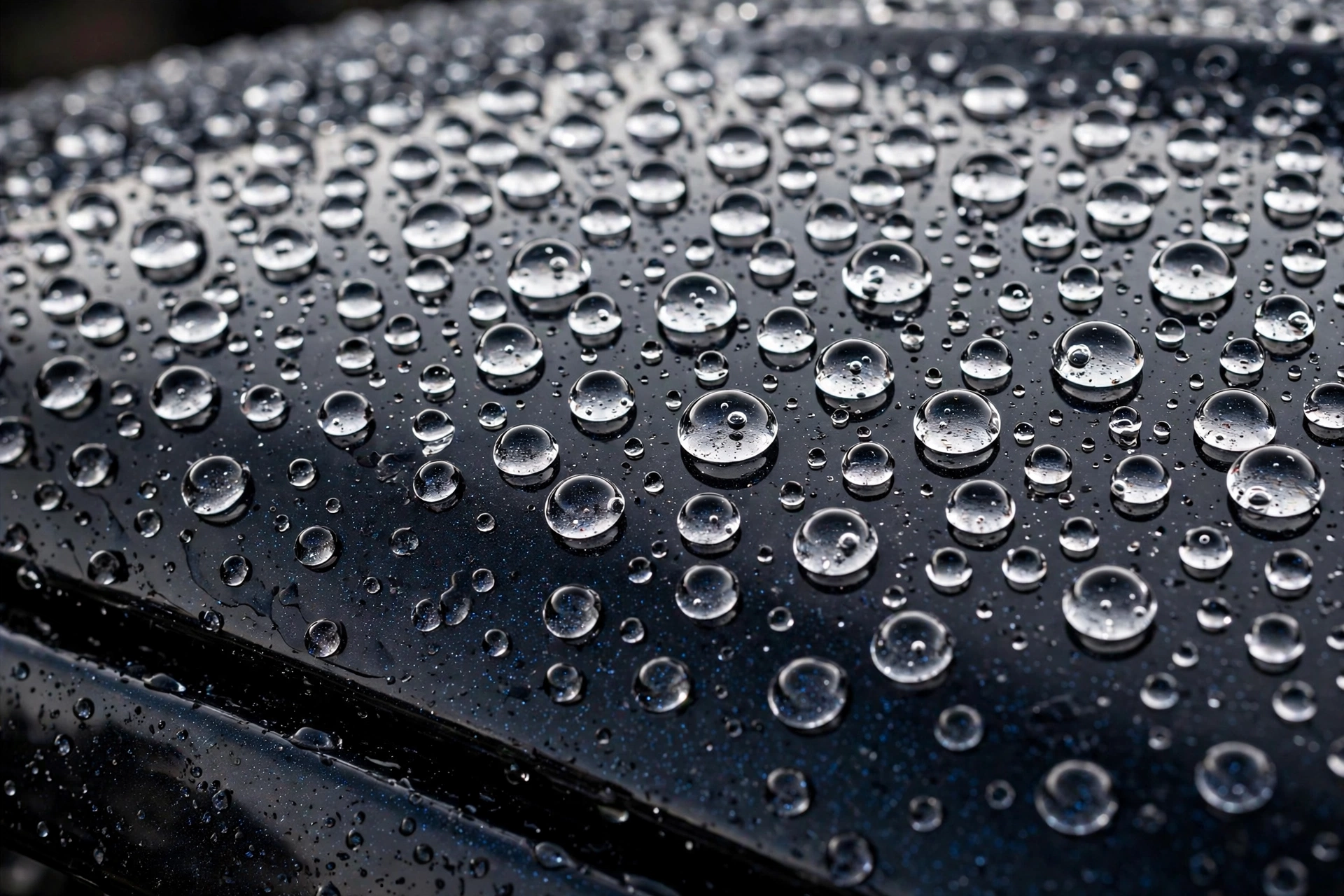
A professionally applied ceramic coating realistically lasts two to five years in the UK, depending on the product, preparation quality, and how the car is maintained. Harsh winters, motorway miles, automatic car washes, and neglected washing all shorten its life. With correct care, many coatings reach their rated lifespan; without it, even premium coatings can fail within a year.
Coating manufacturers love big numbers: three years, five years, sometimes even longer. But those figures assume ideal conditions and proper maintenance — two things UK roads rarely provide. The honest answer to 'how long does ceramic coating last' is that the label on the bottle matters far less than the preparation underneath it and the care it receives afterwards. In this guide, we set out what UK drivers can realistically expect.
This guide breaks down realistic UK lifespans, the five factors that decide whether your coating lasts two years or five, and the maintenance habits that make the biggest difference. If you understand what wears a coating down, you can protect your investment and get the full lifespan you paid for. We also cover how to spot the early signs of a tired coating before performance drops noticeably.
Realistic Lifespans for UK Conditions
Entry-level professional coatings (often marketed as one to two years) genuinely deliver that in UK use. Mid-range coatings rated at three years typically achieve it with sensible maintenance. Premium multi-layer systems rated at five years can reach that figure — but only on well-prepared paint that is washed correctly and topped up periodically. Consumer spray coatings, by contrast, usually last months, not years, regardless of marketing claims.
- Consumer spray coatings: 3–12 months of meaningful protection
- Entry-level professional coatings: 1–2 years in UK conditions
- Mid-range professional coatings: 2–3 years with proper care
- Premium multi-layer systems: up to 5 years with diligent maintenance
The Five Factors That Decide Longevity
Preparation quality comes first: a coating bonded to properly decontaminated, machine-polished paint lasts dramatically longer than one applied over contaminated clear coat. Next is maintenance — pH-neutral washing, avoiding harsh chemicals, and periodic silica toppers preserve the hydrophobic layer. Then environment: cars parked outdoors in all weather, driven on gritted winter roads, or washed in automatic brush washes degrade coatings far faster than garaged, hand-washed cars.
How to Tell Your Coating Is Wearing Out
The earliest sign is reduced water behaviour: beading becomes lazy, water sheets instead of dancing off, and panels stay wet longer after rain. Washing gets harder as dirt clings more readily. Eventually the gloss dulls back toward the pre-coating look. These changes are gradual, which is why a yearly inspection by your detailer is worthwhile — they can measure the coating's condition and apply a maintenance topper before performance drops noticeably.
Maintenance: The Deciding Factor
Two identical coatings can last half as long or twice as long depending purely on aftercare. The winning routine is simple: wash regularly with the two-bucket method and pH-neutral shampoo, dry with clean microfibre, avoid automatic brush washes entirely, and apply a silica-based maintenance spray every few months. This routine takes little extra effort on a coated car — the hydrophobic surface does most of the work — and it is the single biggest lever on lifespan. Our maintenance schedule post walks through a full twelve-month calendar.
Frequently asked questions
Can a ceramic coating really last five years?
What kills a ceramic coating fastest?
Does parking outdoors shorten coating life?
When should a coating be reapplied?
Get your free, no-obligation quote
Tell us about your car and what it needs. We'll reply with an exact price and the earliest available slot.
Open 24 hours, 7 days a week — call or message any time.