Does a New Car Need Ceramic Coating?
By Ceramic Coating Bolton · Published 2026-10-14 · Ceramic coating guides
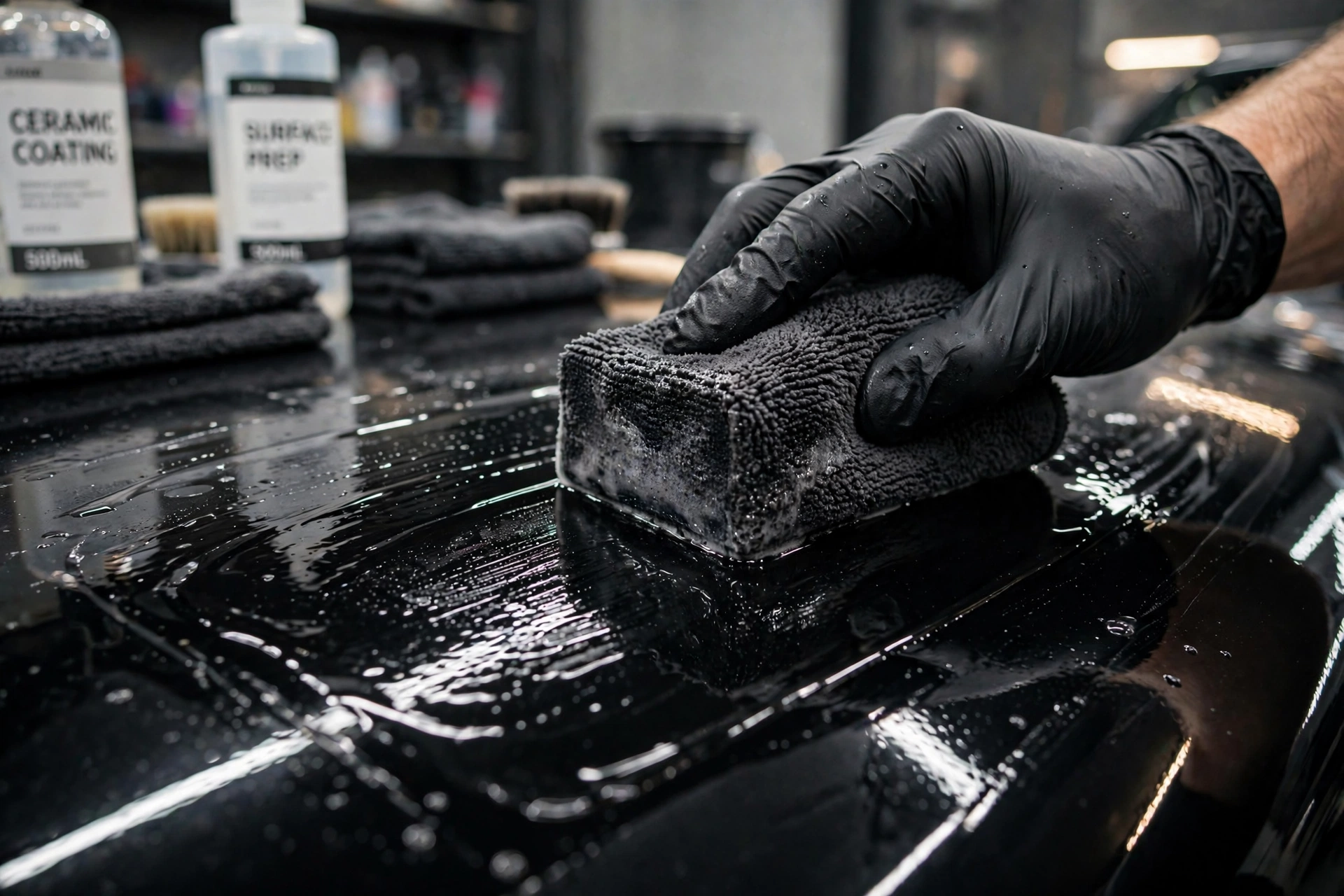
A new car is the ideal candidate for ceramic coating: the paint is fresh, needs minimal correction, and coating it immediately locks in factory-fresh gloss for years. Skip the dealership's overpriced coating package — independent detailers do better preparation for less money. The best time is within the first few weeks of ownership, before swirls, chips, and contamination accumulate.
It's the question every new-car buyer asks: the paint is perfect, so why would it need protection? The answer is that 'perfect' is temporary. From the first motorway journey, your new paint starts collecting stone chips, wash swirls, bird droppings, and bonded contamination. A ceramic coating applied early doesn't improve perfect paint — it keeps it perfect. Think of it as insurance for that showroom shine.
This guide covers why new cars benefit most from coating, the truth about the paint protection package your dealer will offer, exactly when to book the work for the best results, and which extras are worth adding while the car is new. By the end, you'll know precisely how to protect your investment from day one without overpaying the dealership for the privilege.
Why New Paint Benefits Most
Coating a new car is protection at its most efficient. The paint needs only light polishing rather than heavy correction, so preparation is quicker and cheaper. There are no existing swirls to remove and no deep contamination to strip — the coating bonds to near-perfect clear coat and preserves it. Every month you wait, the paint accumulates defects that later need correcting. Early coating means you pay for minimum preparation and get maximum lifespan.
The Truth About Dealership Coating Packages
Dealerships typically offer paint protection packages costing several hundred pounds, applied quickly by valeters rather than trained detailers, often with minimal paint correction. The products are rarely superior to what independent detailers use, the preparation is usually inferior, and the price is often higher. You're paying for convenience and finance-office commission, not craftsmanship. An independent detailer will inspect the paint properly, correct the dealer-installed swirls, and apply the coating carefully — usually for less money.
- Dealership packages are often applied by valeters, not trained detailers
- Preparation is usually minimal — dealer swirls get sealed in
- Independent detailers typically charge less for better work
- You can always say no at the dealership and book independently later
The Best Time to Coat a New Car
Ideally within the first few weeks, before the paint collects meaningful damage — but after the dealership has done its thing, so their wash swirls can be polished out first. Don't wait for the first service or 'when it needs it': by then, months of motorway chips and wash marring have accumulated. If you've already had the car six months, it's not too late — it just needs a bit more correction work first.
What About the Rest of the New Car?
New cars benefit from coating beyond the paintwork: wheels (which makes brake dust rinse off effortlessly), glass (improved wet-weather visibility), and exterior plastics (which resist fading). Many detailers offer these as package add-ons at the same appointment. Protecting everything at once, while the car is new and clean, is the most cost-effective way to keep the whole vehicle looking factory-fresh for years.
Frequently asked questions
Will ceramic coating void my new car warranty?
Should I reject the dealer's protection package?
Does a new car still need paint correction?
Is it too late if my 'new' car is a year old?
Get your free, no-obligation quote
Tell us about your car and what it needs. We'll reply with an exact price and the earliest available slot.
Open 24 hours, 7 days a week — call or message any time.