DIY vs Professional Ceramic Coating
By Ceramic Coating Bolton · Published 2026-10-14 · Ceramic coating guides
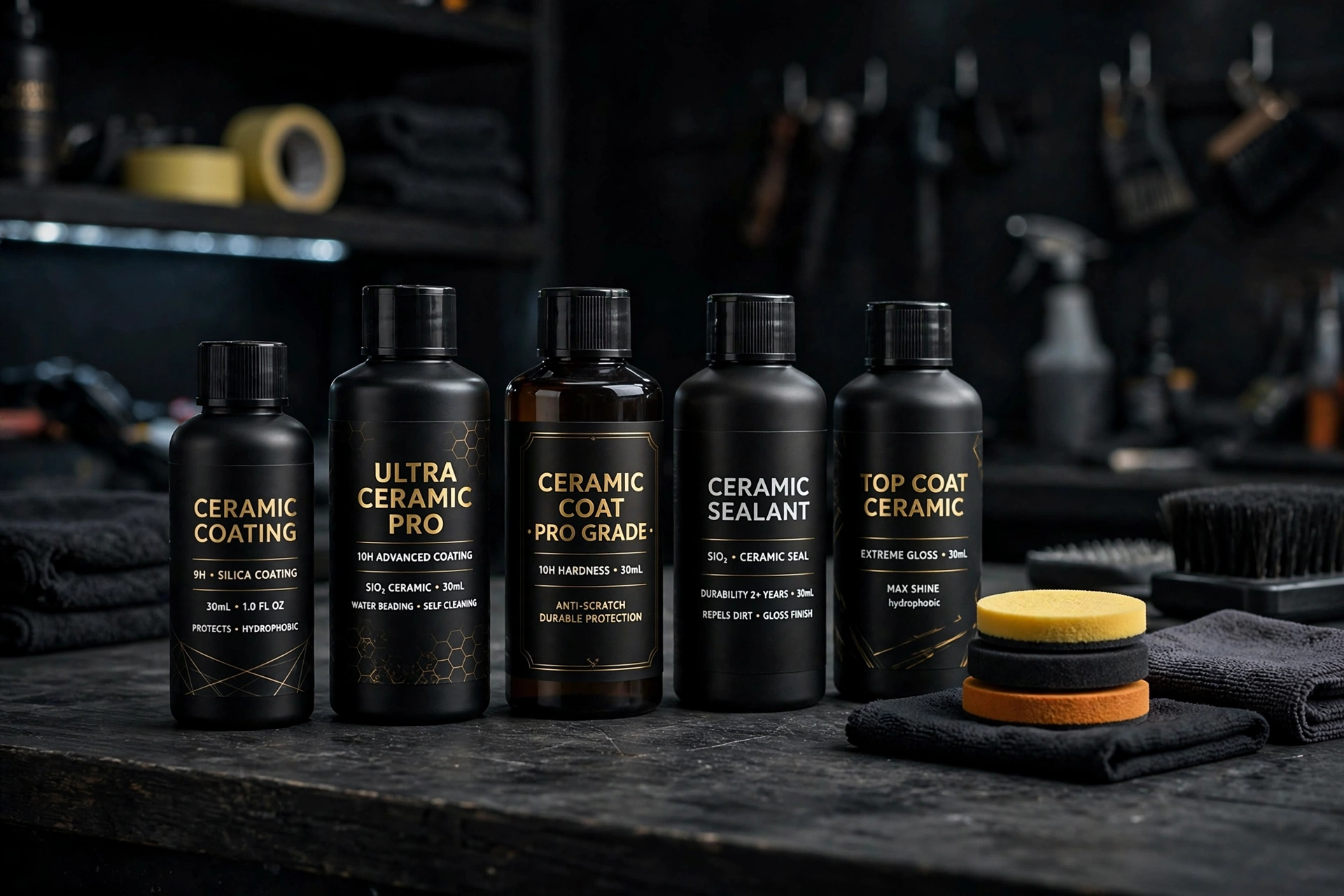
DIY ceramic coating can work well if you're experienced at machine polishing and meticulous about preparation — consumer coatings are forgiving and far cheaper. But professionals win on durability, finish quality, and longevity, because their real advantage is paint correction skill and controlled conditions. DIY suits enthusiasts on a budget; professionals suit those wanting the best result with zero risk.
Consumer ceramic coating kits have improved enormously, and YouTube makes the process look straightforward: wash, polish, wipe, coat. So why pay a professional hundreds of pounds? It's a fair question — and the honest answer is more nuanced than either camp admits. Both sides have valid points, and both sides exaggerate when it suits them. This guide gives you the unvarnished comparison.
This guide compares DIY and professional coating on cost, results, durability, and risk, without cheerleading for either side. DIY is genuinely viable for some people and genuinely inadvisable for others. Here's how to tell which you are. We'll be blunt about where amateurs typically go wrong, where professionals genuinely earn their fee, and how to honestly assess your own skill level first.
The Cost Comparison, Done Properly
A quality consumer coating kit costs £30–£80, plus £50–£150 for proper preparation products if you don't already own them — and that's before machine polishing equipment (£100–£300 for a decent dual-action polisher setup). All-in for a first-timer, DIY typically runs £150–£400. A professional package runs several hundred pounds but includes everything. The saving is real but smaller than it first appears, and it buys you considerable labour: expect a full weekend or more for your first attempt.
Where Professionals Genuinely Win
The gap isn't the coating — it's everything around it. Professionals bring paint correction skill that takes years to develop: reading paint depth, choosing the right compound and pad combination, and removing defects without damaging paint. They work in controlled lighting and dust-free conditions, apply panel-wipe chemistry correctly, and level coatings without high spots. Professional-only coatings also tend to be more durable than consumer formulas. The result: better gloss, longer life, and none of the visible mistakes that betray a first attempt.
- Paint correction skill — the stage that determines 80% of the result
- Controlled environment: proper lighting, minimal dust, correct temperatures
- Access to professional-only, longer-lasting coating formulas
- Experience avoiding high spots, streaking, and bonding failures
- Accountability — a reputable detailer stands behind the work
Where DIY Genuinely Makes Sense
If you already machine-polish your own cars, own the equipment, and enjoy detailing as a hobby, DIY coating is a natural next step — you have the hard skills already. It's also sensible for older or lower-value cars where professional costs are disproportionate, and for enthusiasts who accept that their first attempt won't be perfect. Consumer coatings are more forgiving than they used to be, and the satisfaction of doing it yourself is real.
The Risks of Getting It Wrong
The classic DIY failures: high spots (streaky patches where excess coating cured — visible forever until polished off), coating over contaminated paint (poor bonding, short life), and buffer trails from inexperienced machine polishing (now locked under the coating). Fixing any of these means polishing the coating off and starting again — which is exactly the professional job you were trying to avoid paying for. Be honest about your skill level before you begin.
Frequently asked questions
How hard is it to apply ceramic coating yourself?
Do consumer coatings last as long as professional ones?
What's the biggest DIY mistake?
Can I do the prep myself and have a pro apply the coating?
Get your free, no-obligation quote
Tell us about your car and what it needs. We'll reply with an exact price and the earliest available slot.
Open 24 hours, 7 days a week — call or message any time.