Ceramic Coating vs Winter Road Salt
By Ceramic Coating Bolton · Published 2026-10-14 · Ceramic coating guides
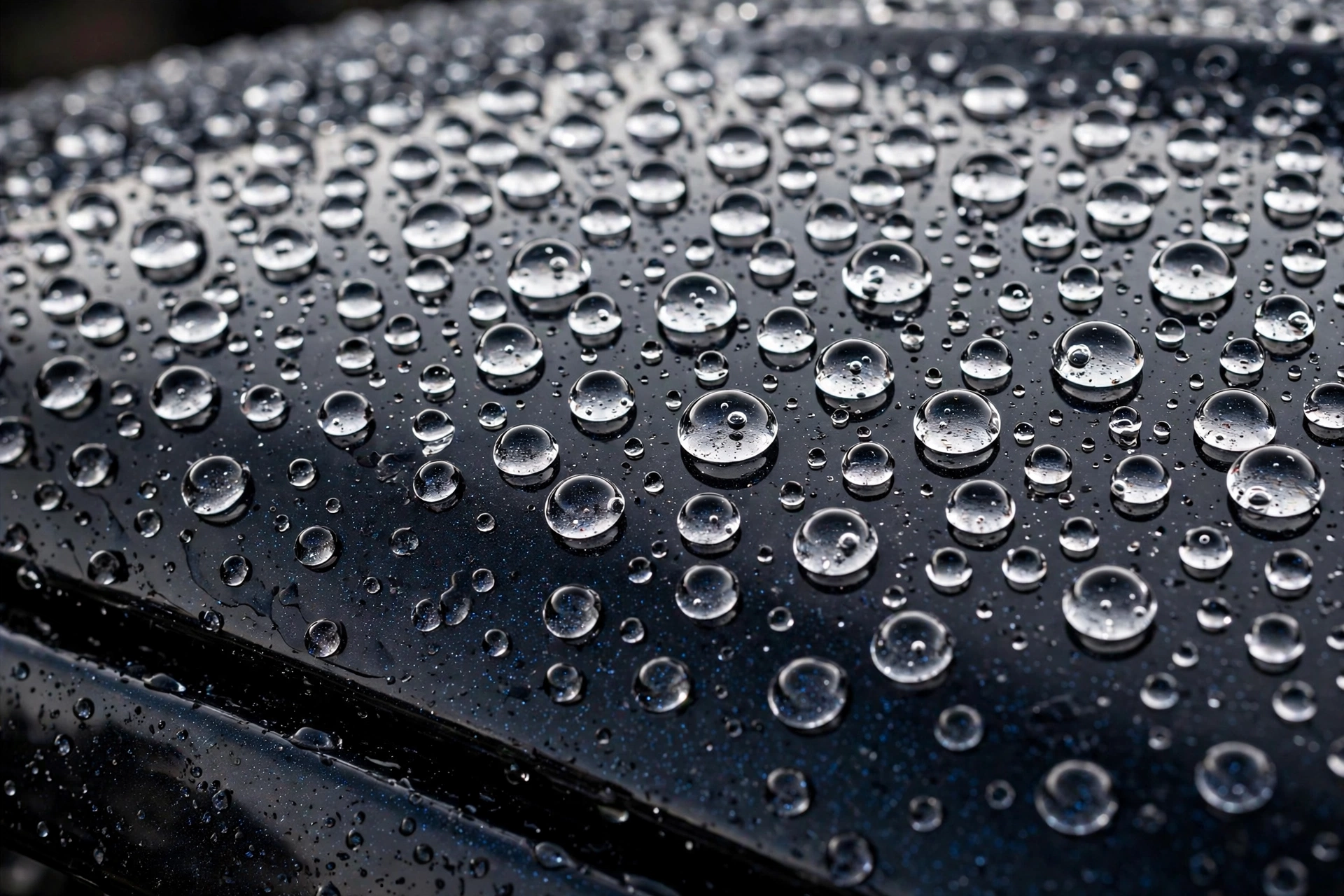
Ceramic coating is one of the best defences against winter road salt: its chemical-resistant, hydrophobic layer stops salt residue bonding to paintwork and makes it rinse away easily. But the coating doesn't make winter maintenance-free — you still need to wash salt off regularly and avoid brush washes. Applied in autumn, a coating heads into gritting season in peak condition.
Every winter, Britain's gritters spread thousands of tonnes of salt across the road network — and every spring, cars emerge with the damage: dulled paint, stained lower panels, and the beginnings of corrosion wherever salt sat too long. Road salt doesn't just look bad; it's chemically aggressive to unprotected paintwork. Understanding the threat is the first step to defeating it.
A ceramic coating is arguably at its most valuable in winter. This guide explains exactly how it defends against salt and grit, what it can't do, and the winter washing routine that keeps both your coating and your paintwork intact through the worst months. We'll also cover timing — because an autumn application beats a mid-winter rescue job every single time.
How Road Salt Damages Paintwork
Road salt (sodium chloride, often mixed with grit) attacks cars in three ways. Chemically, salt residue is corrosive — left on paintwork for weeks, it etches the clear coat and finds any stone chip to start corrosion underneath. Physically, the accompanying grit sandblasts lower panels at speed. And practically, the constant cycle of salty spray followed by freezing temperatures keeps paintwork under chemical assault for months. Unprotected cars show the damage as dullness, staining, and premature ageing of the finish.
How a Coating Fights Back
A ceramic coating counters all three attack routes. Its chemical resistance means salt residue sits on the coating rather than attacking the clear coat, buying you time between washes. Its hydrophobic surface stops salty slush bonding firmly — much of it rinses away with plain water. And the hardened sacrificial layer absorbs the light abrasion of gritty spray that would otherwise haze bare paint. The result: winter grime that would stain uncoated paint washes off a coated car with minimal effort.
- Chemical resistance — salt residue attacks the coating, not your clear coat
- Hydrophobic release — salty slush rinses away instead of bonding
- Sacrificial hardness — gritty spray marrs the coating, not the paint
- Easier winter washes — less scrubbing means less swirl damage
The Winter Washing Routine That Matters
The coating handles the chemistry; you handle the schedule. Wash frequently enough through winter that salt never sits for more than a week or two — fortnightly for daily drivers, weekly if you're doing big motorway miles. Always pre-rinse or snow-foam to shift salt touchlessly before mitt contact, since salty grit is abrasive. Pay special attention to lower panels, sills, and behind the wheels where salt concentrates. And never 'just run it through the brush wash to get the salt off' — that trades chemical safety for mechanical damage.
Timing: Coat in Autumn, Not January
The smart move is applying your coating in autumn, before gritting season begins. The coating then faces winter at full strength, with maximum hydrophobics and a fresh surface. Coating mid-winter is possible but harder: cold temperatures slow curing, damp conditions complicate application, and the paint needs thorough decontamination from months of salt first. If your coating is due and winter is coming, don't wait — book the autumn slot.
Frequently asked questions
Does ceramic coating stop rust?
Can I just jet-wash the salt off all winter?
Is undersealing still needed with a coating?
How does grit (not salt) affect a coated car?
Get your free, no-obligation quote
Tell us about your car and what it needs. We'll reply with an exact price and the earliest available slot.
Open 24 hours, 7 days a week — call or message any time.