Ceramic Coating Myths Debunked
By Ceramic Coating Bolton · Published 2026-10-14 · Ceramic coating guides
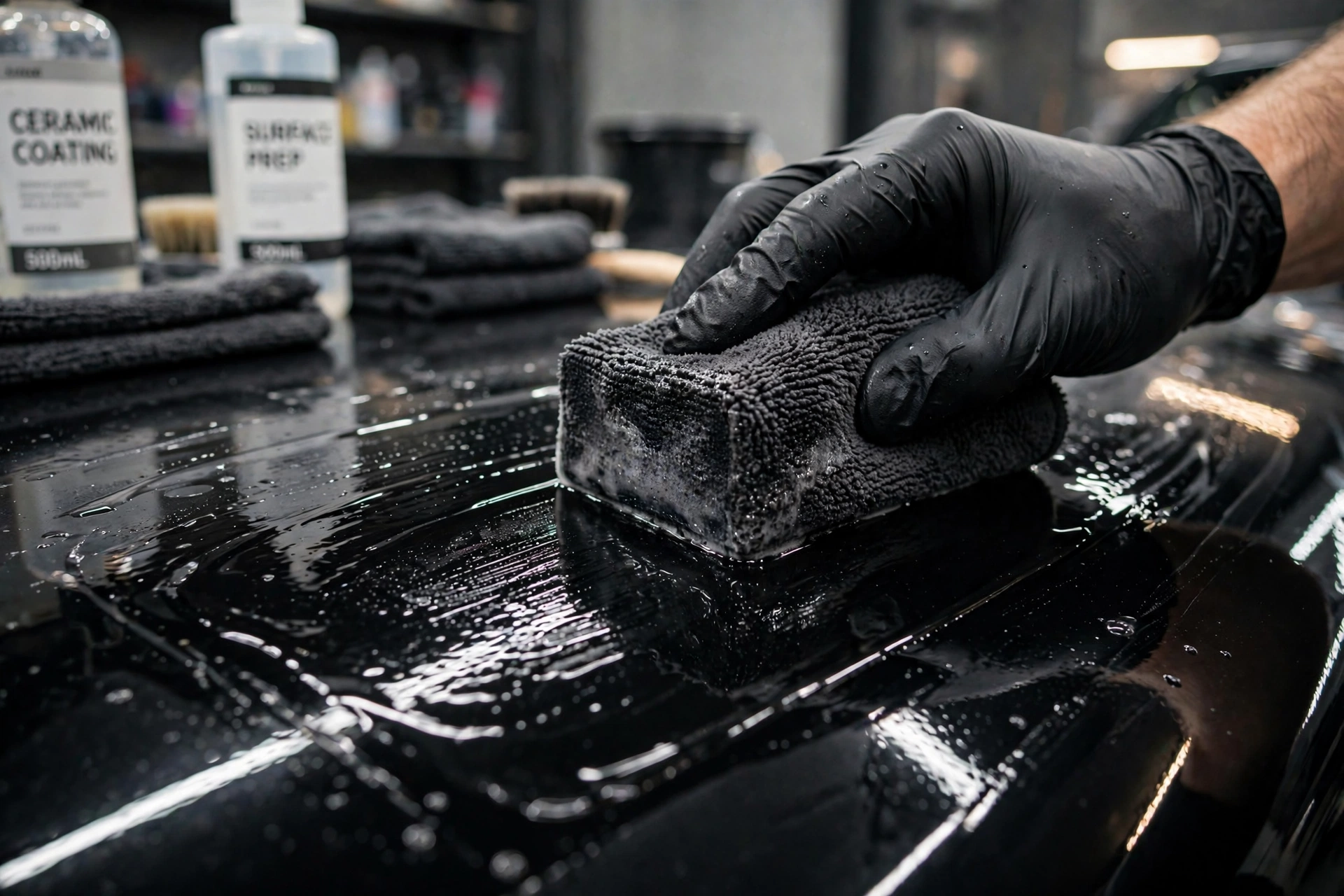
The biggest ceramic coating myths: that it's scratch-proof (it resists light marring only), that it lasts forever (realistically two to five years), that you'll never wash again (you'll wash less), that 9H means invincible (it's a pencil test), and that any car can be coated without preparation (skipping correction ruins results). Knowing the truth helps you buy and maintain wisely.
Few car-care products attract as much mythology as ceramic coating. Marketing departments have spent years stretching laboratory measurements into superhero claims, and the internet has enthusiastically repeated them. The result: owners who expect invincible, self-cleaning paint — and feel cheated when reality arrives. Let's clear the air with facts instead of sales talk, starting with the seven claims we hear most.
Time for some myth-busting. Here are the seven claims we hear most often in Bolton, examined honestly: what's true, what's exaggerated, and what's pure fiction. A coating is a genuinely excellent product that doesn't need fairy tales — and knowing the truth helps you choose wisely and maintain correctly. Bookmark it and share it with anyone considering a coating this year.
Myth 1: 'It's Scratch-Proof'
The most damaging myth in the industry. Ceramic coatings resist light wash marring thanks to their hardness, but keys, stone chips, branches, and gritty brushes cut through them without noticing. The 9H rating describes pencil-test hardness, not invulnerability. Anyone selling you 'scratch-proof' is either misinformed or dishonest — and this single myth causes more disappointed owners than all the others combined.
Myth 2: 'It Lasts a Lifetime'
No coating lasts forever. Professional coatings realistically deliver two to five years depending on product, preparation, and maintenance — then they wear thin and need reapplication. 'Lifetime' claims usually hide behind warranties full of maintenance conditions nobody meets, or refer to the coating being technically present while performing nothing. Ask what 'lifetime' means in terms of actual water behaviour in year six, and watch the answer get vague.
Myth 3: 'You'll Never Need to Wash Again'
Coatings make washing easier, not unnecessary. Dirt still lands on the car; it just releases more readily. A coated car left unwashed for months accumulates bonded contamination that degrades the coating's performance — the hydrophobic layer gets buried under grime. The honest claim is 'wash half as often, twice as easily', which is still a genuine quality-of-life improvement for anyone who cleans their car regularly.
Myths 4 & 5: '9H Means Diamond-Hard' and 'No Prep Needed'
The 9H figure comes from the pencil hardness scale — the coating resists a 9H pencil in lab conditions. It is not the Mohs mineral scale, where 9H would mean near-diamond. This confusion is deliberately cultivated by some marketing. The coating is genuinely harder than clear coat, which helps against micro-marring, but hardness in microns was never going to stop a stone at motorway speed. It's a useful property, not a superpower.
Equally false is the idea that any car can be coated with no preparation. Without decontamination and machine polishing, the coating bonds poorly, lasts a fraction of its rated life, and locks every swirl visibly underneath its glossy finish. The preparation is the product, in many ways — the coating is just the final step. 'No prep needed' offers are the clearest red flag in the industry.
Myths 6 & 7: 'Thicker Is Always Better' and 'All Coatings Are the Same'
More layers don't equal more protection beyond a point — you're adding microns, and scratch resistance doesn't scale meaningfully with them. Two properly applied layers beat five rushed ones every time. And coatings vary enormously: professional-only formulas, consumer bottles, and spray 'ceramic' products share a name but little else. Price, durability, and application requirements differ wildly. Judge the specific product and the detailer's process, never the category label.
Frequently asked questions
Is ceramic coating a scam then?
Why do detailers repeat these myths?
What's the most important truth to remember?
Are spray 'ceramic' products a myth too?
Get your free, no-obligation quote
Tell us about your car and what it needs. We'll reply with an exact price and the earliest available slot.
Open 24 hours, 7 days a week — call or message any time.